Why Upskilling Is the Key to Winning the Workforce of the Future
Industries across the board—from government agencies to private enterprises—are experiencing a seismic shift in job roles and skill requirements. This is particularly urgent, however, in the federal sector, which is undergoing a significant transformation driven by policy changes, technological advancements, and shifting workforce demographics.
With new mandates for IT modernization, cybersecurity, and AI integration, government agencies face an urgent need to reskill and upskill their workforce.
At the same time, the retirement of seasoned employees is creating a knowledge gap that threatens operational continuity.
To navigate this transition effectively, federal organizations must invest in continuous learning and workforce upskilling initiatives to prepare for the jobs of tomorrow.
The Need for Upskilling: A Data-Driven Reality
Let’s take something like AI as an example. AI has permeated leadership discussions and industry forums, but the trickle-down effect is stalled. Many federal agencies acknowledge its potential, yet implementation is hindered by a lack of trained personnel and structured workforce development initiatives. The statistics paint a clear picture:
- By 2030, 70% of new applications will include generative AI technology 97 million new jobs are expected to be created by AI by 2025
- By 2027, 90% of companies will use AI, and generative AI will account for 20% of all AI-driven work outputs
- The AI talent pool grew by 36% in 2023, yet demand still outpaces supply
- 91% of federal IT leaders report their agency is using or testing AI, but 72% say their workforce lacks the skills to use it effectively
- 60% of public sector employees feel that a lack of technological skills hampers their ability to implement AI in their work
Even when the unicorn candidate appears prepared to fill these roles, attracting them to the public sector is an uphill battle. The private sector often appears more ‘sexy,’ with the promise of cutting-edge innovation, higher salaries, and more attractive benefits.
Traditionally, government agencies struggle to compete on compensation and workplace perks, making it harder to recruit top-tier talent.
This is precisely why upskilling existing staff is crucial. Rather than relying on external hiring, federal agencies can invest in their current workforce, ensuring employees are equipped with the latest skills while also fostering loyalty and career growth within government roles.
The Case for Workforce Upskilling
Organizations that prioritize upskilling gain a competitive edge by:
- Future-Proofing Talent Against Disruption
Technology is evolving too quickly for organizations to rely solely on external hiring to meet talent needs. Upskilling existing employees helps companies stay ahead of change and ensures business continuity in the face of automation, AI integration, and emerging technologies.
- Reducing Hiring Costs and Talent Acquisition Bottlenecks
Recruiting skilled talent is expensive, time-consuming, and increasingly difficult given the current labor market conditions. Companies that invest in upskilling can bridge skills gaps internally instead of engaging in costly and competitive hiring practices.
- Boosting Employee Engagement and Retention
Employees who see a clear pathway for career growth are more likely to stay with their current employer. According to LinkedIn’s 2023 Workplace Learning Report, 94% of employees say they would stay at a company longer if it invested in their learning and development. - Enhancing Organizational Agility and Innovation
Reskilled and upskilled teams are more adaptable to new technologies, methodologies, and industry shifts. Companies that invest in continuous learning can more effectively implement digital transformation strategies and drive innovation.
How Fedstack’s Partner Training Solutions Lead the Way
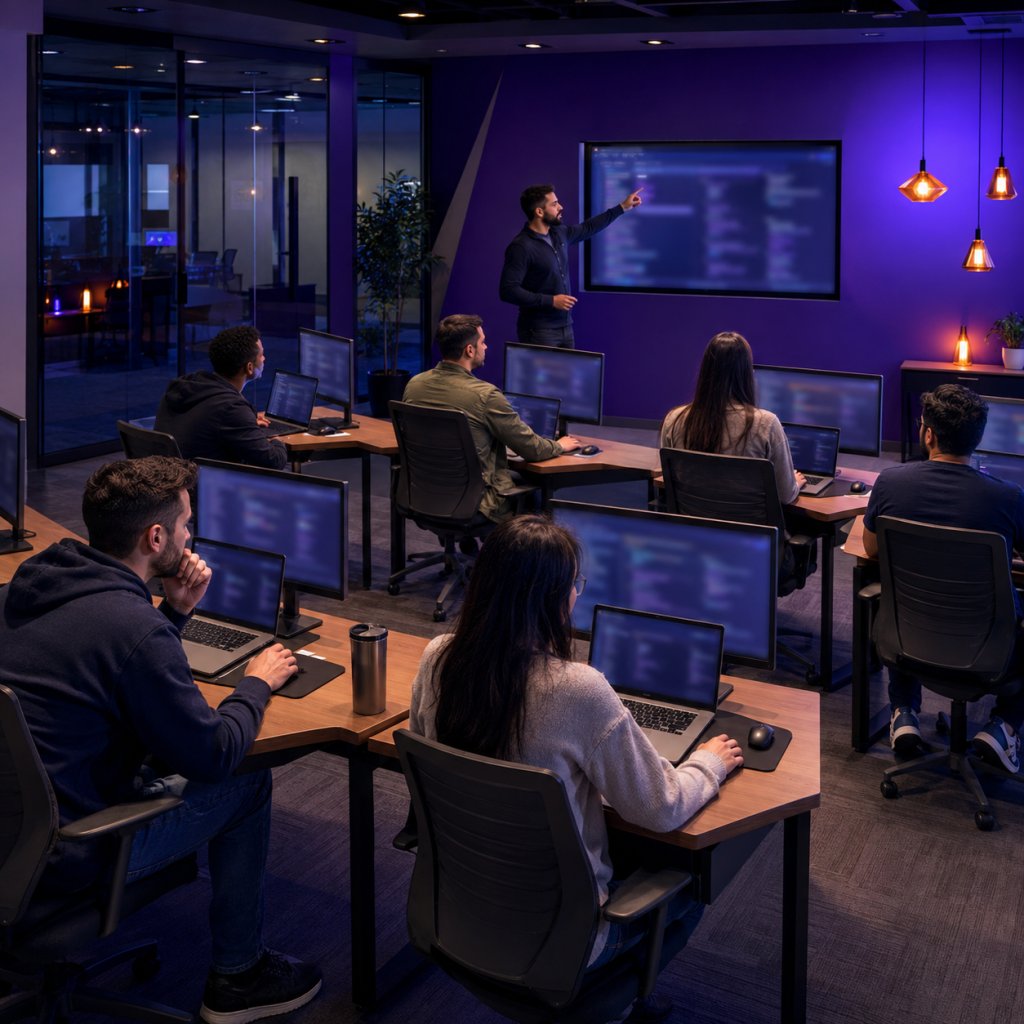
Fedstack’s Partner Training Solutions play a pivotal role in addressing workforce upskilling needs, particularly within the federal sector. The program offers scalable, customized training designed to equip employees with the critical technical skills required for modern government and enterprise operations.
Key Components of Fedstack’s Training Model
- Customized Learning Pathways
Fedstack collaborates with government agencies, federal contractors, and enterprises to design training programs tailored to specific workforce needs. This ensures that upskilling initiatives are aligned with mission-critical objectives.
- Industry-Aligned Certifications
Training is structured to align with leading industry certifications in cloud computing, AI, cybersecurity, and data analytics—fields where talent shortages are most acute.
- Flexible Training Modalities
Recognizing the diverse needs of federal employees and contractors, Fedstack offers training in multiple formats:
- Onsite and remote training options to accommodate dispersed teams.
- Self-paced and instructor-led courses to suit different learning styles.
- Hands-on labs and real-world scenarios to reinforce practical application.
- Collaboration with Leading Tech Partners
Fedstack works alongside top technology providers to deliver cutting-edge training on AI, cloud, and data security. Partnerships with companies like AWS, Microsoft, and Databricks ensure that learners gain in-demand skills directly applicable to federal IT modernization and digital transformation efforts.
The Future of Work: A Call to Action
Winning the workforce of the future requires a proactive approach to upskilling. Organizations that embrace continuous learning will not only meet the demands of a rapidly changing digital economy but also create sustainable, future-ready workforces.
Fedstack’s Partner Training Solutions are designed to equip federal agencies and enterprises with the skills needed to thrive in an AI-driven world. By prioritizing workforce development, businesses can drive innovation, reduce hiring challenges, and future-proof their teams.
Are you ready to invest in your workforce? Contact Fedstack today to explore how our training solutions can help your organization stay ahead of the curve.