Case Study: Modernizing Veteran Benefits Delivery Through Deployed Tech Talent
Overview
For veterans, timely and reliable access to education benefits plays a critical role in a successful transition to civilian life. The systems supporting these services must be secure, scalable, and continuously improving to meet growing and shifting demand.
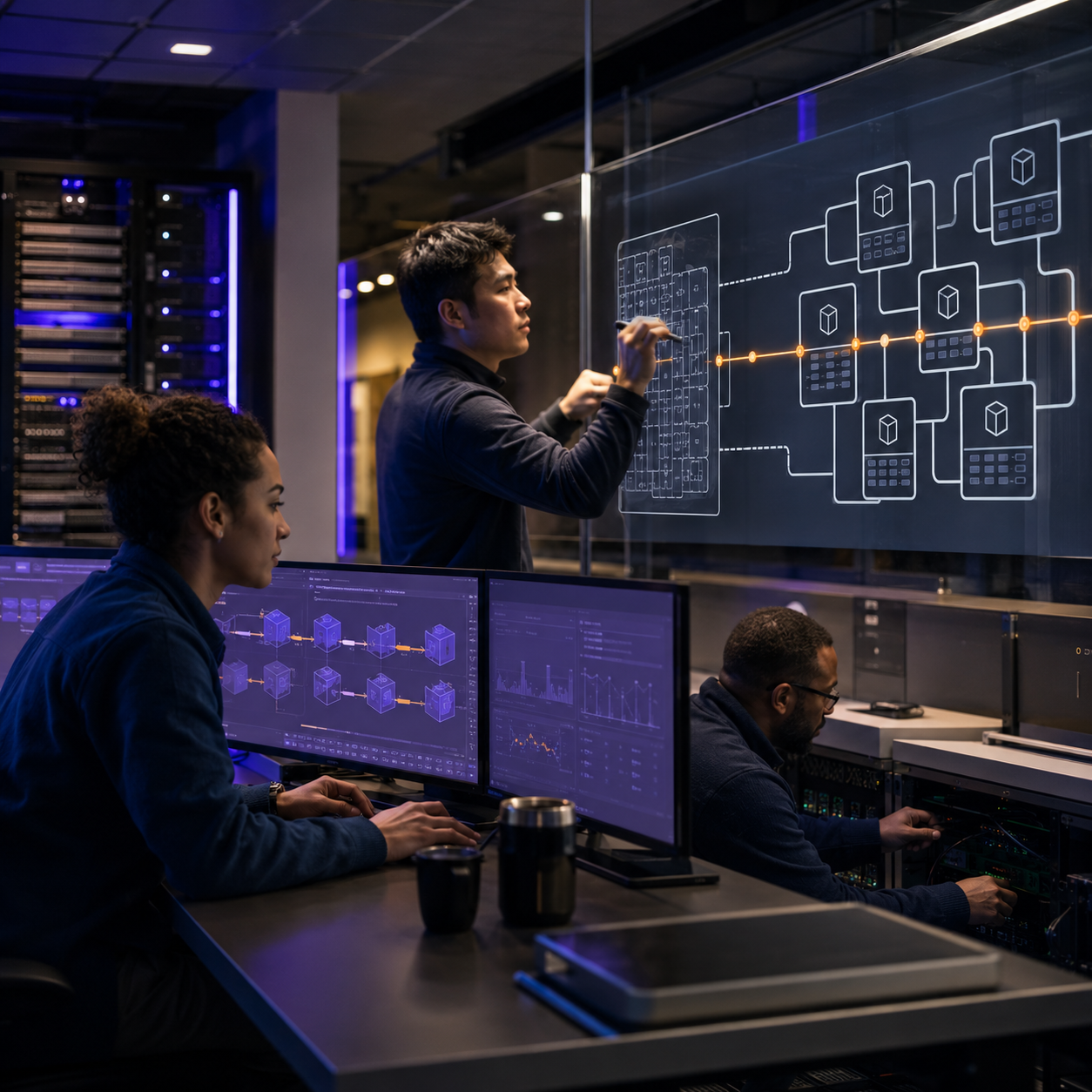
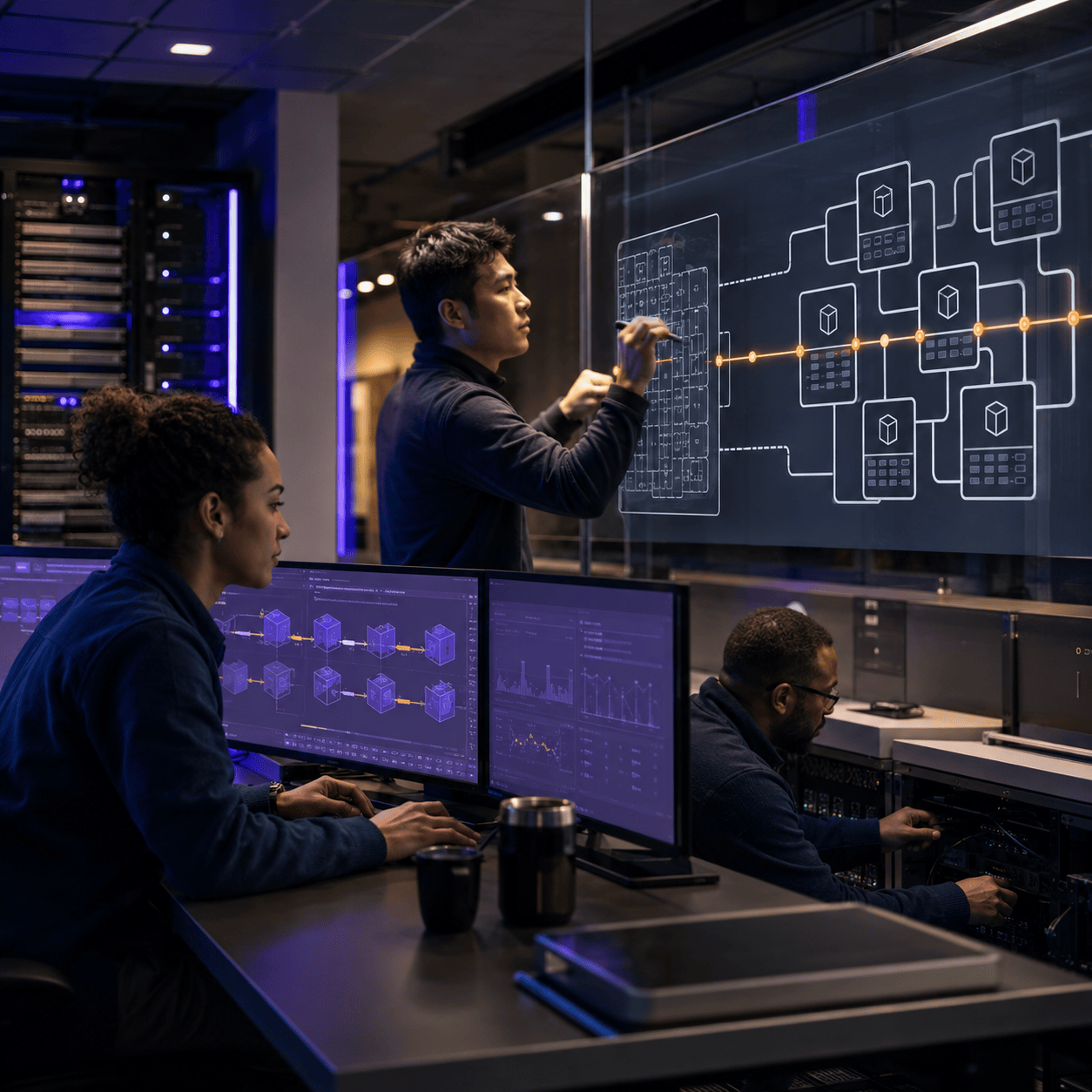
To support this mission, custom-trained tech talent were deployed into a federal veterans services organization. Embedded within internal teams, this talent worked hands-on to modernize a legacy education benefits platform. Their efforts helped transition the system to a cloud-native, microservices-based architecture, improving performance, security, and long-term sustainability.
The Challenge
The existing platform relied on a monolithic architecture that limited scalability, slowed development cycles, and increased operational complexity. At the same time, it supported mission-critical services used by veterans nationwide, leaving little tolerance for disruption.
Key challenges included:
Modernizing a legacy application without interrupting access to benefits
Scaling infrastructure to support growing user demand
Strengthening security and access controls for sensitive data
Reducing manual processes and improving deployment efficiency
Supporting multiple teams across development and production environments
The Approach
Rather than introducing an external platform or product, the organization augmented its internal capabilities with specialized, deployed talent. The team executed a phased modernization strategy while maintaining continuity of operations.
The team:
Decomposed the monolithic application into containerized microservices
Leveraged cloud infrastructure to improve scalability, resilience, and performance
Implemented secure identity and access management for applications and APIs
Built automated CI/CD pipelines to streamline deployments and reduce risk
Enabled data ingestion pipelines to support analytics and reporting
Applied security best practices and compliance standards across environments
Key Contributions
The team contributed both strategic modernization and day-to-day operational support:
Re-architected core components into scalable microservices
Provided hands-on DevOps support to maintain system performance and stability
Implemented automated security scanning and code quality enforcement
Built and maintained infrastructure-as-code and CI/CD pipelines
Enabled Kubernetes-based container orchestration and deployments
Strengthened security through dynamic secrets management and access controls
Developed internal tools to improve developer productivity and environment consistency
Supported production systems through monitoring, troubleshooting, and cross-team collaboration
Continuously updated infrastructure to align with evolving security requirements
Results & Impact
By embedding highly trained tech talent within internal teams, the organization achieved measurable improvements:
Increased scalability and system responsiveness to meet rising demand
Reduced deployment times and operational overhead through automation
Strengthened security posture and compliance for sensitive data
Improved reliability and reduced downtime across environments
Accelerated delivery of new features and platform enhancements
Impact on Veterans and Stakeholders
This effort delivered meaningful improvements across both users and internal teams:
Veterans experience faster, more reliable access to education benefits Program administrators operate with more efficient and adaptable systems Development teams benefit from modern tooling and streamlined workflows The organization strengthens its ability to deliver secure, mission-critical services.

Conclusion
This modernization effort demonstrates the impact of deploying the right talent into the right environment. By embedding skilled tech talent directly within mission-critical teams, the organization was able to modernize its platform without disruption, accelerate delivery, and strengthen long-term capabilities.
The result is not just a more modern system, but a more capable organization, equipped to continuously evolve and better serve veterans who rely on these essential benefits.